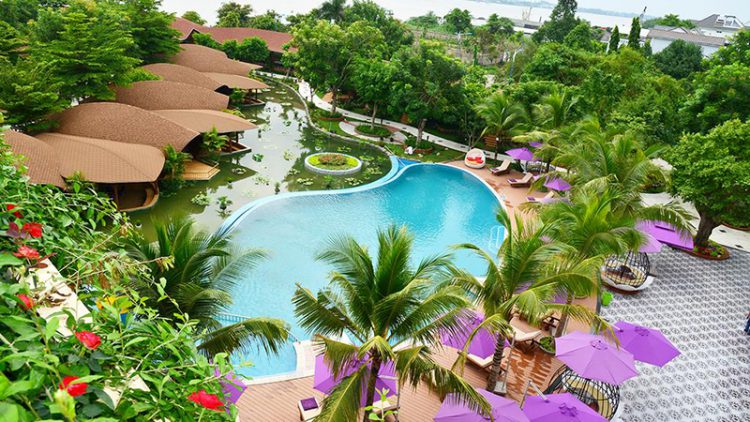
Spaces shape human behavior, influence brand perception, and determine the success of commercial and hospitality environments. Whether it is a hotel lobby, a retail store, an office, or a mixed-use development, the design and development process plays a crucial role in creating environments that are functional, aesthetic, and aligned with business goals.
Design and development services encompass much more than architectural drawings or interior decoration. They involve strategic planning, user experience design, brand expression, quality engineering, and technical execution. When done well, this combination transforms ordinary spaces into high-value assets that enhance customer satisfaction, operational efficiency, and long-term profitability.
The Strategic Importance of Space Design
Design is not just visual—it is strategic. Every element of a space influences how people feel and how they interact with the environment. Good design strengthens brand identity, improves workflow, and elevates the overall experience.
Design decisions should consider:
-
user behavior
-
space functionality
-
lighting and acoustics
-
ergonomics
-
accessibility standards
-
brand storytelling
-
sustainability requirements
By understanding these factors, design teams create environments that not only look beautiful but also perform effectively.
Integrating Brand Identity into Physical Spaces
A well-designed space reflects the character and values of the brand it represents. Hotels, offices, and retail spaces must communicate identity through:
-
color palettes
-
textures and materials
-
furniture and layout
-
lighting concepts
-
signage and graphics
-
architectural features
These elements work together to create a cohesive brand experience. When guests or customers enter a space, they should immediately feel the brand’s presence through subtle yet deliberate design choices.
Human-Centered Design: Enhancing User Experience
At the heart of modern design is the principle of human-centered thinking. This approach prioritizes user needs, comfort, and behavior patterns during the design process. Spaces should feel intuitive, accessible, and supportive.
For example:
-
hotel rooms should promote rest, productivity, and convenience
-
office layouts should enhance collaboration while supporting focused work
-
retail stores should optimize product visibility and customer flow
-
hospitality lobbies should offer comfort, navigation clarity, and social zones
When design enhances user experience, satisfaction increases—and so does commercial performance.
The Role of Technology in Modern Development
Technology has become integral to design and development. Smart building systems, IoT integration, automation, and digital planning tools improve both efficiency and functionality.
Examples include:
-
intelligent lighting systems
-
energy-saving HVAC solutions
-
digital check-in kiosks
-
sensor-based occupancy controls
-
virtual design simulations
-
smart security systems
Technology enriches the user experience while reducing operational costs and strengthening property value.
Sustainable and Responsible Development
Sustainability is a growing priority across all sectors. Environmentally responsible development reduces long-term expenses, improves occupant comfort, and aligns with global environmental goals.
Sustainable development practices include:
-
using recycled or low-impact materials
-
maximizing natural lighting
-
improving insulation and thermal performance
-
integrating renewable energy sources
-
installing water-saving systems
-
minimizing waste during construction
-
sourcing local materials and suppliers
Green buildings appeal to modern tenants and travelers who prioritize eco-friendly choices.
Efficient Space Planning and Functional Layouts
Poorly planned spaces lead to congestion, inefficiency, and wasted resources. Efficient space planning ensures that every square meter contributes to productivity and comfort.
Effective space planning focuses on:
-
circulation pathways
-
ergonomic working conditions
-
zoning for different activities
-
flexible multi-use spaces
-
safety and compliance
-
operational workflows
This approach is particularly crucial in hotels, restaurants, coworking spaces, and service environments where customer flow and employee efficiency directly affect performance.
The Development Process: From Concept to Completion
Successful development projects follow a structured, collaborative process involving designers, architects, engineers, contractors, and stakeholders. Each stage demands accuracy and communication.
Typical phases include:
-
Research & Discovery – Understanding goals, users, and project constraints
-
Concept Design – Creating early visual direction and spatial ideas
-
Schematic Design – Refining layouts, materials, and functions
-
Design Development – Finalizing technical drawings and systems
-
Construction Documentation – Preparing detailed plans for execution
-
Construction & Fit-Out – Building the space with quality control
-
Handover & Evaluation – Ensuring compliance and performance
An effective development team ensures that timelines, budgets, and quality standards are met without compromising vision.
Creating High-Value Assets Through Design Decisions
Well-designed spaces increase value by improving:
-
customer satisfaction
-
brand strength
-
operational efficiency
-
employee productivity
-
energy savings
-
market competitiveness
A thoughtfully executed project can elevate an ordinary property into a flagship destination. Design adds measurable return on investment, turning physical environments into business assets.
Conclusion: Design as a Competitive Advantage
Design and development services are not merely aesthetic choices—they are strategic investments that determine the performance and value of a property. By combining creativity, functionality, technology, and sustainability, businesses can transform their environments into exceptional spaces that inspire, engage, and deliver long-term success.
In a world where experience matters, design becomes a powerful competitive advantage. Well-designed spaces attract customers, reinforce brand identity, and create environments where people genuinely want to be.