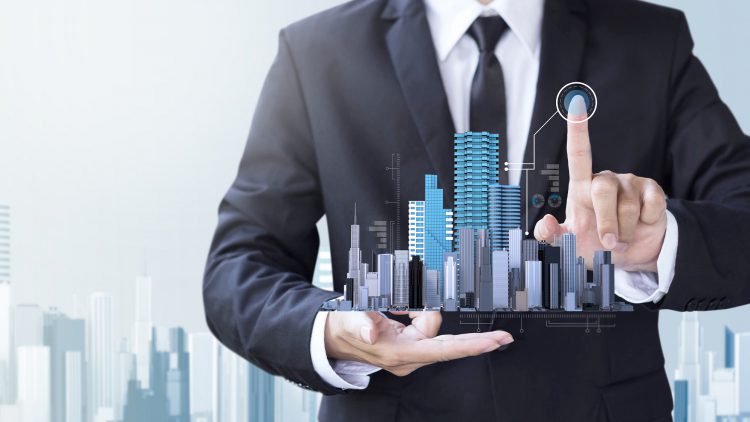
The hotel industry has undergone dramatic transformation in recent years, driven by new travel behaviors, rising guest expectations, and rapid technological innovation. Today, hotels must operate with precision, agility, and intelligence to remain competitive. Traditional operational models are no longer sufficient. Modern properties require integrated systems, automated processes, data-driven strategies, and guest-centric workflows to deliver both efficiency and excellence.
Hotel management solutions have become essential tools for navigating this evolving landscape. They streamline operations, enhance communication, and empower hotel teams to provide better service in less time. Beyond technology, these solutions reshape the entire hospitality ecosystem, enabling hotels to anticipate guest needs, optimize resources, and create memorable experiences that foster loyalty.
The Shift Toward Intelligent Hotel Operations
In the past, hotel management heavily depended on manual processes—physical check-in forms, paper housekeeping schedules, and siloed systems. While these methods were functional, they were time-consuming and prone to human error. Modern guests expect speed, precision, and personalization, which makes digital transformation not just an advantage but a requirement.
Today’s smart hotel operations revolve around a central idea: efficiency through integration. When departments share information seamlessly, response times improve, bottlenecks disappear, and staff can shift their focus to guest engagement rather than administrative tasks.
Automation tools simplify repetitive processes such as room assignment, billing, housekeeping updates, and inventory control. This frees staff to provide meaningful interactions that enhance the guest experience—one of the most powerful competitive differentiators in hospitality.
Guest-Centric Technology as the Core of Modern Hotels
Hotels now rely on digital tools not only to manage internal operations but also to elevate the customer journey. Mobile apps, smart room controls, digital keys, and automated communication channels have revolutionized how guests interact with hotels.
Guests appreciate convenience:
-
booking rooms directly online
-
receiving automated confirmations
-
checking in digitally without waiting
-
accessing their rooms with a mobile key
-
adjusting lighting or temperature through an app
-
requesting room service through a chatbot
-
receiving checkout reminders
-
getting personalized recommendations
These features create a seamless flow that saves time and boosts satisfaction. Guests feel empowered and in control of their stay, while staff benefit from reduced workload and clearer communication.
The Role of Property Management Systems (PMS)
At the core of every modern hotel operation is a robust Property Management System. A good PMS centralizes all essential workflows, including:
-
reservations
-
room assignments
-
rate management
-
housekeeping coordination
-
guest profiles
-
billing and invoicing
-
reporting and forecasting
By consolidating these functions into a single platform, hotels eliminate fragmentation and gain a unified view of their operations. This improves accuracy, supports better resource planning, and enables managers to make smarter, data-driven decisions.
Cloud-based PMS solutions add another layer of flexibility by allowing remote access, automatic updates, and enhanced security.
Enhancing Housekeeping and Maintenance Efficiency
Housekeeping is one of the most labor-intensive departments in any hotel. Small inefficiencies can quickly lead to delays, miscommunication, and reduced guest satisfaction.
Smart hotel management solutions streamline housekeeping by providing:
-
real-time room status updates
-
automated task assignment
-
instant notifications for cleaning requests
-
digital checklists for quality control
-
predictive maintenance alerts
Maintenance teams also benefit from automated workflows. The system can track equipment lifecycles, schedule routine checks, and notify staff when issues arise. Preventive maintenance reduces unexpected breakdowns, which protects the guest experience and avoids costly repairs.
Revenue Management and Dynamic Pricing
Revenue management has evolved from static seasonal pricing to sophisticated dynamic pricing models driven by data analytics. Modern hotel management tools integrate market data, booking trends, competitor pricing, and demand forecasts to optimize room rates in real time.
Dynamic pricing helps hotels maximize revenue by adjusting room prices based on:
-
occupancy rates
-
local events
-
booking patterns
-
market trends
-
weather conditions
-
peak and off-peak seasons
This strategic approach increases profitability while maintaining competitive positioning.
Improved Communication and Collaboration
Hotels operate like complex ecosystems with multiple departments—front desk, housekeeping, maintenance, food and beverage, reservations, and security. Without strong communication, errors and delays become inevitable.
Modern hotel solutions establish centralized communication channels that allow instant updates across teams. This reduces misunderstandings, accelerates workflows, and keeps everyone aligned with hotel priorities.
Staff collaboration improves when everyone has access to real-time information. The result is lower stress, higher productivity, and a more consistent guest experience.
Leveraging Data for Better Decision-Making
Hotels generate enormous amounts of data every day: occupancy rates, booking trends, guest preferences, service usage, and financial metrics. Without the proper tools, this data remains untapped.
Modern hotel management platforms turn raw data into actionable insights through:
-
dashboards
-
forecasting tools
-
performance reports
-
guest analytics
-
operational heat maps
These insights help managers allocate resources, track KPIs, identify revenue opportunities, and evaluate staff performance. Data-driven management reduces guesswork and strengthens long-term planning.
Building Consistency Across Multi-Property Operations
For hotel groups or multi-property operators, consistency is key. Guests expect the same quality of service across all locations. Modern management solutions enable centralized control of:
-
branding
-
pricing strategies
-
operational standards
-
staff training
-
performance monitoring
-
customer loyalty programs
This unified approach ensures uniform service quality while allowing each location to adapt to local market demands.
Sustainability and Operational Responsibility
Hotel sustainability is becoming both a necessity and a selling point. Smart systems help properties reduce waste and conserve resources by optimizing:
-
energy consumption
-
water usage
-
laundry cycles
-
waste management
-
supply inventory
Eco-friendly hotels attract modern travelers who value responsible businesses. Sustainability also reduces long-term operational costs—a win-win for both hotels and guests.
Conclusion: Smart Hotels Are the Future
Hotel management solutions are no longer optional for modern properties—they are the backbone of intelligent, efficient, and guest-centered operations. By embracing automation, data insights, integrated communication, and personalized service, hotels can create experiences that exceed expectations and set new industry benchmarks.
The future of hospitality belongs to hotels that innovate, adapt, and empower their teams with the tools needed to deliver excellence at every touchpoint.